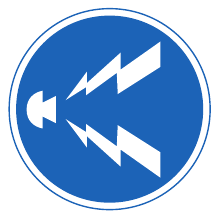
Horn (keionki)
警音器 · keionki
Definition
The keionki (horn) may only be used where the law requires it — for example at blind intersections, blind bends, or blind hilltops marked by a 'sound horn' sign — and, separately, whenever it is unavoidable to prevent danger. You must not sound it at other times.
On the test
True/false example: "You may never sound the horn, even when it is unavoidable to prevent danger." — False. Outside the designated 'sound horn' places, you generally must not use it, but you may — and should — use it when unavoidably necessary to avoid danger.
The law behind it
The Road Traffic Act, Article 54, requires the horn at designated blind spots and permits it to avoid unavoidable danger, while otherwise prohibiting unnecessary use.
Road Traffic Act, Article 54 (Use of the horn) (official source)
Related guide
Practise with a full 50-question mock test, free.
Start a 50-question testAdvertisement